How Did Television Change Bingo Halls and Cinemas in Britain?
Television emerged as a powerful new form of entertainment in mid-20th-century Britain, radically transforming cultural habits and leisure spaces. This shift especially impacted cinemas and bingo halls, institutions that once formed the heart of social life in towns and cities across the country. As TV sets brought the silver screen into living rooms, cinemas faced decline, and many buildings found new lives as bingo halls. Meanwhile, the changing gambling landscape, influenced by legislation such as the Betting and Gaming Act 1960, redefined public perceptions around betting and gaming venues. This article explores how television reshaped cinemas and bingo halls in Britain, examining the contrasts between the stereotype of gambling culture and everyday realities, the important role of repurposed buildings, and the social significance of bingo halls, especially for older women.

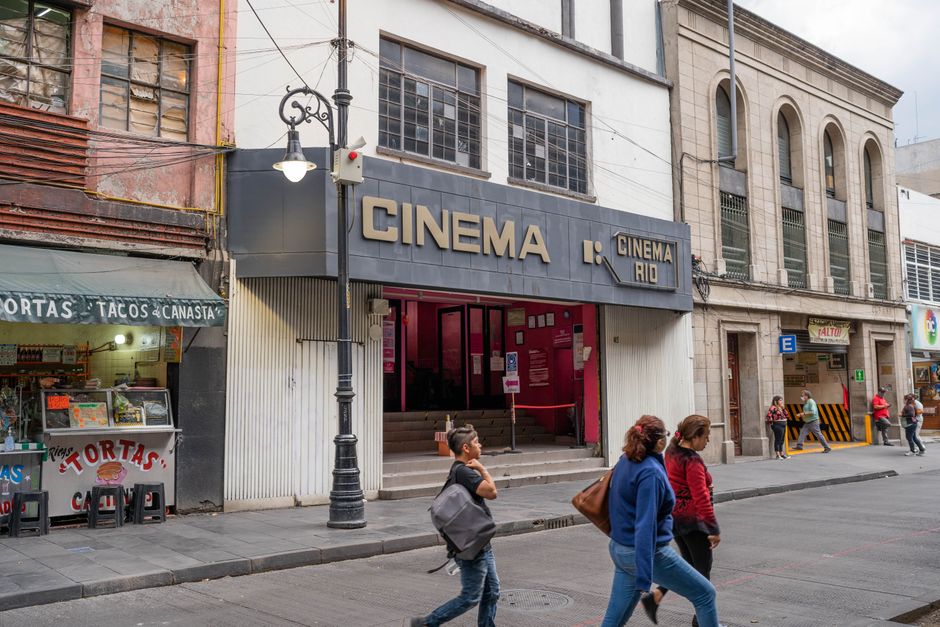
The Rise of Television: Emptying Cinemas and Altering Leisure
From the late 1940s onward, television ownership in British households soared. By the 1960s, TV was a staple of family life, offering a convenient and free alternative to cinema visits. The shared experience of watching films and newsreels in a cinema gave way to the intimate, private consumption of entertainment in the home.
This technological revolution had a profound impact on Britain's cinema industry. Cinemas—once bustling hubs of activity—saw sharp declines in attendance, often described as “TV emptied cinemas.” Many smaller, regional, or suburban cinemas struggled to stay afloat amid falling ticket sales.
Cinema Closures and Repurposed Buildings
The widespread closures of cinemas—a trend accelerating through the 1960s and 1970s—led to thousands of buildings falling out of use. Far from disappearing entirely, many of these spaces were repurposed buildings, converted to meet emerging community needs.
- Bingo halls: The most common new role for former cinemas was as bingo halls, catalyzed by changes in gambling laws and the popularity of bingo as a social activity.
- Community centres and event venues: Some buildings were adapted to host live performances, dances, or other communal events.
- Retail or commercial uses: A number of cinemas transformed into shops or supermarkets over time.
These adaptations saved buildings from dereliction and kept cultural life vibrant, albeit with a very different flavour.
Bingo Halls: The New Social Heart of Former Cinemas
As television drew audiences away from tentonhammer cinemas, interest in bingo surged. The game had deep traditions in British working-class culture but found newfound prominence and respectability in the post-war era, especially with the legalization and regulation of new forms of betting.
The Impact of the Betting and Gaming Act 1960
The Betting and Gaming Act 1960 was landmark legislation that liberalized gambling laws in Britain. One of its unintended consequences was the rapid expansion of commercial bingo halls. By legalising bingo halls as betting establishments, it sparked a bingo boom through the 1960s and beyond.
This legislation aimed to regulate betting and reduce illegal gambling but also disrupted traditional social gambling venues, prompting both innovation and controversy:
- Many existing bingo clubs formalized operations in compliance with new standards.
- Cinemas and theatres, already struggling, found economic opportunity in conversion.
- Public attitudes toward gambling diversified—from seeing it as a vice associated with casinos to a widespread, everyday pastime.
Bingo Halls as Social Spaces for Older Women
Beyond the legal and economic shifts, bingo halls evolved into vital social spaces, especially for older women. While popular culture often paints gambling venues with a narrow, casino-focused stereotype, bingo halls defied these clichés.
For many women—retired, widowed, or simply seeking community—the bingo hall was a welcoming environment offering companionship, routine, and excitement:
- Social interaction: Bingo halls offered a convivial atmosphere akin to a community club, with regular attendees forming strong friendships.
- Entertainment and stimulation: The fast-paced nature of the game combined with light-hearted banter created a lively and inclusive ambience.
- Empowerment and belonging: Especially in converted cinema halls, the grandeur of the old buildings contrasted with and enhanced the dignity and fun of the activity.
This social function remains essential to bingo halls today, even as online bingo rooms and digital slots attract younger, more geographically dispersed players.
Casino Stereotypes Versus Everyday Gambling Reality
Mainstream portrayals often narrow gambling culture down to casinos, bright lights, and a certain glamorous or seedy allure. However, everyday British gambling, especially historically, presented a very different picture. Bingo halls and family-friendly betting shops were—and still are—places of routine, socialising, and modest stakes.
From Glamour to Grassroots
While casinos conjure images of high rollers and sophisticated machines, the typical bingo player has often been an everyday person enjoying affordable entertainment. Unlike the relative anonymity of online slots and casinos today, bingo halls encouraged face-to-face engagement and community participation.
Online Bingo Rooms and Slots: A Modern Evolution
The proliferation of online bingo rooms and slots since the 2000s has added complexity to gambling culture. These platforms offer privacy, convenience, and novel games but lack the social warmth of traditional bingo halls.
This technological shift has sparked debates about gambling harm, consumer protection, and the future role of physical gambling spaces. While online sites attract a wider demographic, bingo halls continue to serve as critical venues for social interaction among older generations.
Summary: Television as a Catalyst of Cultural and Spatial Change
Aspect Before Television After Television Cinemas Community entertainment hubs; crowded evening schedules Decline in attendance; closures and repurposing Repurposed Buildings Used primarily as cinemas and theatres Converted into bingo halls, event venues, retail spaces Bingo Halls Smaller, local clubs with limited regulation Expanded halls in former cinemas; socially vibrant spaces for older women Gambling Culture Stigmatized, casino-focused stereotype Diversified reality; everyday gambling normalized via bingo and betting shops Technology None impacting attendance directly Rise of online bingo rooms and slots complementing physical venuesConclusion
The rise of television in Britain precipitated seismic shifts in leisure and social spaces. It led directly to cinema closures and the innovative repurposing of buildings—most notably, into bingo halls that blended old architectural grandeur with new cultural functions. Legislation such as the Betting and Gaming Act 1960 both formalized and expanded gambling culture, inadvertently fueling the growth of bingo as a mainstream pastime, particularly amongst older women seeking community and enjoyment.
Together, these changes challenge simplistic notions of gambling as purely a casino-driven stereotype, revealing a more nuanced reality where gaming halls and online bingo rooms each play different roles. As television and technology continue to evolve leisure, the legacy of cinemas turned bingo halls remains a fascinating chapter in British cultural history.