Is It Bad to Fill Every Spare Moment with Phone Entertainment?
In today’s hyper-connected world, it feels natural to reach for our phones during every lull — a coffee break, a short wait in line, or even a few seconds between meetings. Smartphones and tablets have carved out new “micro-entertainment windows” in our days, transforming brief pauses into quick sessions of scrolling, gaming, or video watching. But is filling every spare moment with phone entertainment healthy? Or does it contribute to more subtle issues like attention fatigue and entrenched habit loops?

The Rise of Smartphone-Driven Short-Session Habits
Smartphones and modern mobile browsers have revolutionized access to entertainment by making it effortless to dip in and out of digital content. Unlike installing dedicated apps, browser-based access reduces friction: you simply tap a link and start playing or browsing. For example, leading online casinos app usage timer for android like Mr Q Casino offer a wide range of slot games accessible directly via browsers on phones or tablets. These games are designed as self-contained rounds, perfect for short bursts of engagement, which align perfectly with the quick tapping and swiping behaviors of mobile users.
This ready availability encourages spontaneous, repeated usage—a hallmark of the so-called “habit loop.” The habit loop consists of a cue triggering a craving, leading to a routine, and then a reward, which reinforces the cycle. For instance, waiting for your coffee to brew can cue a quick scroll through social media or a spin on a mobile slot game. The short rounds provide a quick dopamine hit, rewarding the behavior and making it more automatic over time.
Coffee Breaks: The New Micro-Entertainment Windows
The traditional coffee break has evolved beyond just a caffeine refill to become a micro-entertainment window, often filled with smartphone use. Whether it’s a ten-minute break at work or a quick pause during errands, phones now mediate how people recharge during these brief moments. This shift has clear convenience—no more carrying around a deck of cards or a book. Instead, users tap into an endless, variable stream of content tailored to be consumed in small doses.
Yet, the UK Health and Safety Executive (HSE) warns about the cumulative effects of prolonged screen time, including eye strain and mental fatigue. While short breaks can be refreshing, filling every single moment with phone-based content may prevent the mind from truly resting. This can lead to what psychologists call “attention fatigue,” where the brain struggles to sustain focus due to constant stimulus switching and low-level cognitive load.
Automatic Scrolling and Attention Fatigue: The Double-Edged Sword
One notable smartphone habit is automatic scrolling—the impulsive action of flicking through feeds, news, or game features without conscious intention. This behavior is compelling because it requires minimal mental effort but provides constant sensory input.
However, automatic scrolling can overwhelm our cognitive resources. Instead of engaging deeply, the mind remains in a shallow state of alertness, which over time manifests as attention fatigue. This means even when putting the phone down, it can be harder to concentrate on tasks or enjoy offline activities. The quick hits of novelty and reward from digital content can paradoxically reduce our overall mental resilience.
Slots and Self-Contained Game Rounds
Slot games exemplify the kind of quick-session engagement that fits into these micro-entertainment moments. Each spin or round is self-contained, typically lasting only a few seconds to a minute, making it easy to pick up and pause without losing context. This low memory load design enhances their suitability for mobile play, whether through apps or browser-based platforms.
Mr Q Casino’s platform leverages this by offering a seamless, app-free experience via modern mobile browsers, meaning users can enjoy instant access without the friction of installs or updates. This convenience further embeds gambling sessions into everyday habits—a fact both beneficial and concerning.
Browser-Based Access vs. App Installs: Reducing Friction, Increasing Use
The distinction between browser-based access and traditional app installs is significant when considering user interaction patterns. Apps require download, installation, and periodic updates, which creates a natural pause or friction before usage. Conversely, mobile browsers now support robust, app-like experiences that let users immediately begin entertainment with a single tap.
Factor Browser-Based Access App Installs Access Speed Instant, one-tap access Delayed by download and install time Memory & Storage No storage space used on device Uses internal storage, needs updates Ease of Use Lightweight, no need to manage app updates Full app features but with maintenance Persistence Session may expire or lose state Can support saved progress and offline useThis lower friction model increases temptation toward automatic, repeated access, deepening habit loops and potential over-reliance on phone entertainment in every spare moment.
Finding Balance: What Experts Suggest
While it’s not inherently bad to use phones for entertainment during short breaks, awareness and moderation are key. The UK Health and Safety Executive (HSE) encourages incorporating screen breaks and alternating visual focus to reduce eye strain and refresh attention.
- Take regular breaks from screen exposure: Use the 20-20-20 rule—every 20 minutes, look at something 20 feet away for 20 seconds.
- Integrate non-screen activities: Consider phone-free coffee breaks, brief physical stretches, or a quick walk to reset your mind.
- Be mindful of automatic behaviors: Notice when you mindlessly start scrolling or tapping out of habit and consciously decide to pause.
- Use responsible gambling tools: When engaging with platforms like Mr Q Casino, leverage limits, time-outs, and other controls to keep gaming fun and safe.
One Non-Screen Alternative for Breaks
Instead of defaulting to phone entertainment during brief pauses, try a simple non-screen alternative: deep breathing exercises. Just one minute of focused inhaling and exhaling can reset your nervous system and improve concentration. It requires no equipment and can be done anywhere, acting as a mental palate cleanser from the endless digital noise.
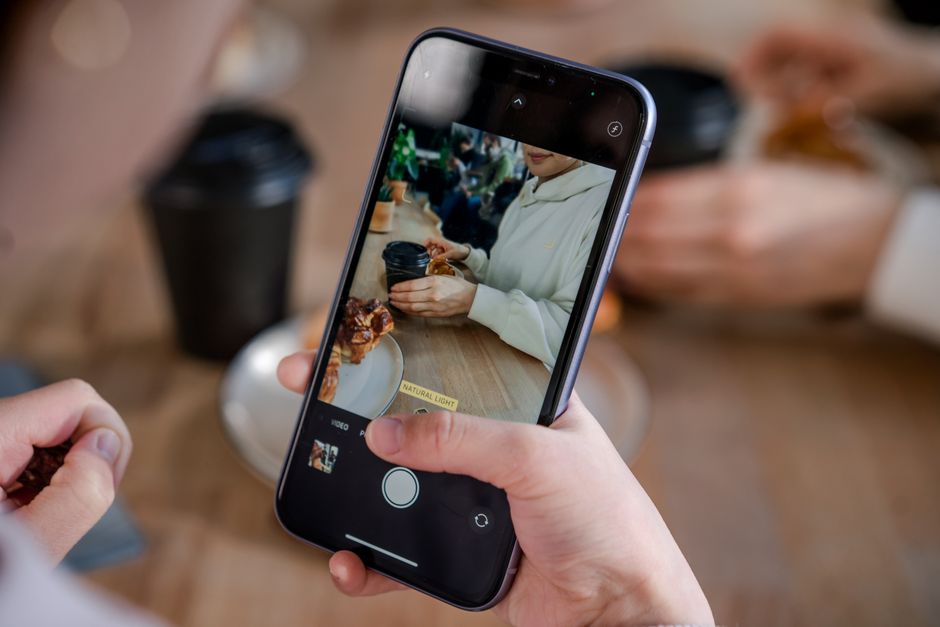
Visual Inspiration: Phones and Human Interaction
To capture this modern tension visually, platforms like Unsplash host free images showing people immersed in phones even during social or natural moments. These images serve as a reminder to stay conscious of our digital interactions and balance them with offline life.
Conclusion
Filling every spare moment with phone entertainment isn’t inherently bad, but it can contribute to embedded habit loops and attention fatigue if approached mindlessly. Modern mobile browsers, smartphones, and platforms like Mr Q Casino have made entertainment more accessible than ever, turning coffee breaks and short waits into micro-entertainment windows. While this convenience caters to our craving for instant reward, it also demands mindful use to avoid cognitive overload.
By alternating screen use with non-digital breaks, recognizing automatic scrolling habits, and employing responsible gaming tools, we can enjoy digital entertainment without letting it take over every idle second. Remember, some moments—even tiny ones—are better unplugged to let your mind fully reset and stay fresh for what matters most.