What Does "Start with the Task" Mean When Choosing an App?
When it comes to picking an app, whether on your Android smartphone or iPhone, a common yet often overlooked principle is to start with the task. But what does that really mean? In a world flooded with countless apps, and where companies like Bingoplus and communities like Indie Hackers thrive by sharing their app building and usage methods, it’s essential to be deliberate and practical before hitting the install button.
Why "Start with the Task" Matters
Too often people jump straight into downloading and installing an app without clearly defining their goals. This can lead to:
- Wasting storage space with rarely used apps.
- Overusing mobile data through repeated downloads or updates.
- Confusion caused by unfamiliar, cluttered interfaces.
- Security risks if permissions are granted blindly.
By starting with the task in mind, you ensure that every app you install or interact with actually serves a specific purpose for you.
What Does "Start with the Task" Mean in Practical Terms?
Starting with the task means you first decide your goal before install. Ask yourself questions like:
- What am I trying to accomplish today?
- Do I need ongoing use of this app, or is it a one-time action?
- Is better performance or convenience worth dedicating device storage?
- Would a browser-based solution be sufficient?
Answering these helps clarify whether you should download an APK for Android, look for an App Store link for iPhone and iPad, or just open a web page.
Browser Access vs Installed App Preference
Many apps these days have robust web versions accessible directly from browsers. This is where starting with the task shines because the task often determines which access route makes sense.
Access Method Advantages Disadvantages Best For Browser Access
- No installation required
- Saves device storage
- Quick access to info
- Automatic updates without user effort
- May lack native device features
- Depends heavily on internet connection
- Can consume more mobile data if refreshes often
- Native device integration (notifications, offline mode)
- More stable and responsive interface
- Can work offline depending on app
- Consumes storage and caches data
- Requires updates to stay current
- May require granting multiple permissions
For example, if you want to quickly check the latest news or a weather forecast, accessing Bingoplus through its browser interface might suffice. However, if you are deeply involved in a community like Indie Hackers, and frequently interact with their app’s messaging or project tracking features, installing their dedicated app might be justified.
Storage and Cache Realities
Many users underestimate how much space apps take once installed. This includes not just the initial app size but also cached data and temporary files. Here's why this matters when starting with the task:
- Limited device storage: Many phones, especially lower-end models common in the Philippines, have restricted storage capacity.
- Apps grow over time: What starts as a small download can balloon to hundreds of megabytes through updates and media storage.
- Clearing cache affects your experience: While clearing cache frees up space, it can slow down future app launches as data reloads.
By knowing the task and frequency, you can decide whether to install or not. For simple research or one-time actions, it’s better not to clog your storage https://varimail.com/articles/why-do-apps-sometimes-download-extra-content-after-they-open/ with apps you’ll never open again.
Mobile Data Waste from Repeated Downloads
Both Android APK downloads and iPhone/iPad App Store installs require mobile data unless done over Wi-Fi. Some important reminders when starting with the task:
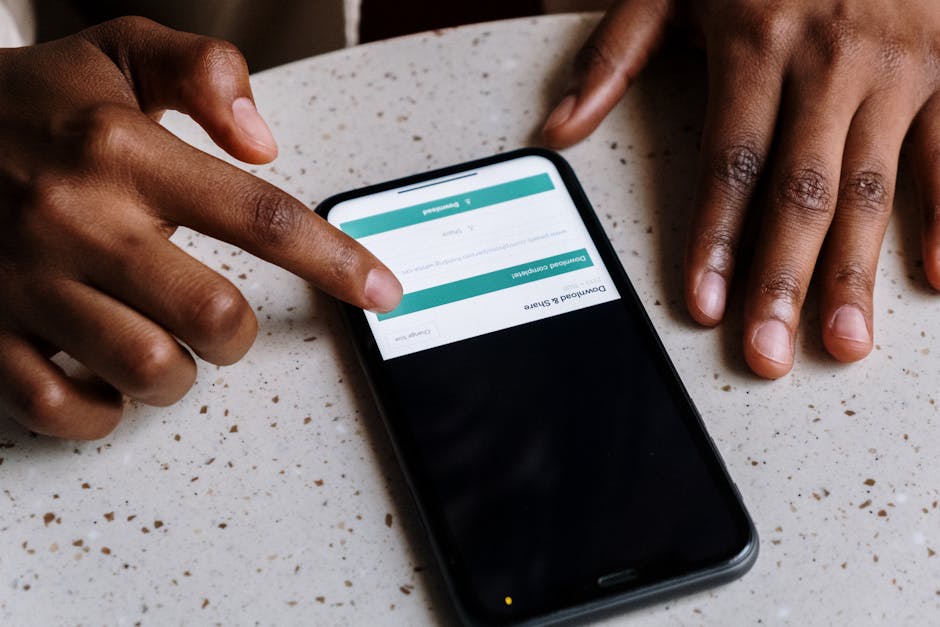
- Repeated installs increase data usage: Uninstalling and reinstalling due to trial-and-error app selection wastes precious mobile data.
- Updates often happen automatically: Many apps update in the background, consuming data even if you forget about them.
- Browser usage can sometimes be more data-efficient: Especially for infrequent or quick tasks where the web page is lighter than full app data.
This is why it’s smart to read info without installing when possible — look at reviews, screenshots, and official descriptions. Sites like Indie Hackers showcase new indie-made apps, but their community members will often share tips on whether an app is worth the install or just browser use.
How to Decide Before You Download or Install
Here’s a practical checklist to help you decide goal before install, ensuring your device stays efficient and your experience smooth:
- Clarify your specific task or goal: What functionality are you looking for? A calculator, note-taking, messaging, or a game?
- Check if a web version exists: Search for an App Store link or Android APK route only after confirming there’s no adequate browser alternative.
- Read official info carefully: Look for app size, required permissions, and user reviews.
- Consider your device specs: How much free storage and RAM do you have? Can your device handle the app smoothly?
- Make an informed install decision: Start with browser access if uncertain; install only if you need frequent, offline, or enhanced native features.
Remember that companies like Bingoplus make some of their services accessible via browser or their bundled app depending on your preference. Indie Hackers community posts similarly highlight the pros and cons from real users’ perspectives.
Understanding the "Installed Interface Need"
The installed interface need refers to how certain tasks benefit from having a native app’s user interface and responsiveness rather than a browser. Here’s what to consider:
- Offline activity: Apps can let you work or enjoy content without internet, something not always possible on the web.
- Notifications and alerts: Native apps can remind you of task deadlines or incoming messages immediately.
- Complex interactions: Some workflows require smooth gestures, multi-window support, or integration with device features.
If your task depends heavily on these, the installed interface need justifies the download and install effort.
Summary: Start with the Task, Then Choose Wisely
To wrap up, "start with the task" means defining your goal before deciding on app use. Use this approach to:
- Minimize storage use and cache buildup.
- Avoid wasting mobile data on unneeded installs or updates.
- Reduce security risks by thoughtfully reviewing permissions.
- Choose browser or native app access based on frequency and complexity of your task.
By applying these practical considerations and referencing real-world tools and communities like Bingoplus Have a peek at this website and Indie Hackers, you can craft a smarter, more efficient mobile experience tailored just for your goals.
Need Help With Setup or Troubleshooting?
If you want guidance on how to safely download an Android APK or find official iPhone and iPad App Store links, or advice on deciding when to install versus use browser access, feel free to ask what you are trying to do today. Making choices about apps should be empowering, not confusing!