What Is Live Betting and Why Do Odds Change During the Game?
If you’ve dabbled in sports betting, you've probably noticed that the numbers on your betting app don’t stay put once the game kicks off. This real-time fluctuation is what powers live betting—the thrilling new frontier that turns every second of the game into a fresh betting opportunity. In this post, I’m breaking down what live betting really is, why in-game odds change the way they do, and how you can use tools like ESPN’s sports betting section and social media platforms to sharpen your edge.
What Is Live Betting?
Live betting, also called in-game betting, is wagering on a sporting event after it has started. Unlike traditional bets where you place your wager before kickoff or tip-off, live betting lets you place bets while the ball is rolling. This means the betting lines—the odds and point spreads—are constantly updated to reflect the current state of the game.
Here’s the simplest way to think about it: In live betting, the “final score” is still the ultimate outcome, but the odds you get are snapshots based on what’s happening *right now* rather than what was expected before the game began.
Why Do Odds Change During the Game?
Fundamentally, the sportsbook’s job is to balance their book mrq casino uk review to limit risk. As a game unfolds, numerous dynamic factors alter the probability of different outcomes, forcing the odds to adjust in response. Some reasons include:
- Score changes: A big run or unexpected scoring swing shifts the win probability instantly.
- Injuries: When a key player goes down, the impact ripples through the projected result and affects lines.
- Momentum and pace: How fast a team is scoring or stopping the opponent affects totals and point spreads.
- Clock and situational context: Late-game scenarios heavily influence what bets are viable.
So, odds move not because sportsbooks are whimsical—they’re reacting to updated information in real time to keep their risk manageable and reflect the win probability more accurately.
Final Score vs. Betting Outcomes: It’s Not Always So Simple
One thing that trips up new bettors (and sometimes casual fans) is the distinction between the final score and whether a bet wins or loses. Live betting highlights this because your bet might depend on things like the point spread or the total number of points scored, not just who wins.
For instance, in a football game:
- Point spreads assign a margin of victory that the favored team must exceed for bets on them to pay off.
- Totals (over/under) ask if the combined score will be above or below a set number.
When you’re live betting, a team might be winning the game but still not “covering” the spread, or the pace of scoring might make the total more or less likely. This is why staying tuned to in-game odds is so crucial—because it’s about more than just who’s ahead on the scoreboard.
The Late-Game Importance of Point Spreads
Late in the game, the point spread’s meaning shifts dramatically, and sportsbooks tighten the lines accordingly. For example:
- If a team is winning by 7 points with five minutes to go and is favored by 10, the spread still matters to bettors, because the favored team needs to extend the lead.
- If the underdog is just within striking distance, the in-game line may shift quickly as bettors perceive a potential comeback.
This dynamic is why I always check the line movement again 30 minutes before kickoff and then watch closely how the spread adjusts live. Late-game spreads often offer value if you understand the team’s tendencies and situation.
Totals and Pace in Basketball: Why Speed Matters
Basketball is perhaps the most fascinating sport to watch odds evolve. The total points line reacts heavily to pace—the number of possessions teams run in a game. If a game starts at a frantic pace, but then slows down, the total often drops. Conversely, if teams push tempo in the second half, the total can balloon.
Live bettors tracking totals must be aware of:
- How efficient each team’s offense and defense are on recent possessions.
- Injuries or substitutions affecting pace-makers.
- Matchups that may slow or speed the game.
One of my quirks, as a Big 12 basketball follower, is making notes on weird weather games and how totals reacted—usually this applies more to outdoor sports, but pace swings and unusual patterns are just as critical in basketball.
Matchup Research and Film-Stat Thinking: The Ultimate Edge in Live Betting
Lucky for us modern bettors, tools like ESPN’s sports betting section provide a treasure trove of stats and expert analysis. But the real power comes with combining this data with firsthand knowledge of team tendencies and even film study—what I call film-stat thinking.
Before or during the game, consider these research angles:
- How a team performs in clutch situations: Do they tend to protect leads or crumble?
- Historical matchup trends: Does one team always outperform another in certain defensive or offensive categories?
- Player impact: Are certain starters or bench players driving tempo or scoring?
- Injuries or roster changes: Who is out or limited, and how does that affect strategies?
- Social media chatter: Sometimes, insider info from Twitter or Instagram can hint at locker-room morale or unreported injuries.
By layering this research into your live betting strategy, you avoid betting with your heart (always a pet peeve) and instead make informed, calculated decisions that exploit odds shifting in your favor.
How to Use ESPN and Social Media for Live Betting Research
ESPN’s sports betting section is a no-brainer for up-to-date lines, expert picks, and statistical breakdowns. They regularly update in-game odds, and their analysis can highlight which team is gaining momentum or who might be playing with an injury.
Social media platforms, meanwhile, can be a double-edged sword. On the positive side:
- Injuries and live game updates often break on Twitter way before official announcements.
- Fan sentiment and chatter can clue you in on a team’s morale or locker-room dynamics.
- Advanced bettors and insiders sometimes share nuanced tips or observations.
Just remember, social media is also a breeding ground for viral picks presented as facts—which I find incredibly annoying. Always cross-check any “hot take” and avoid betting based on hype alone.
Summary: Why Live Betting Is a Game-Changer
Live betting turns every play of a game into a micro bet opportunity. Because odds shift constantly based on score, injuries, pace, and countless situational factors, being a successful live bettor means understanding that:
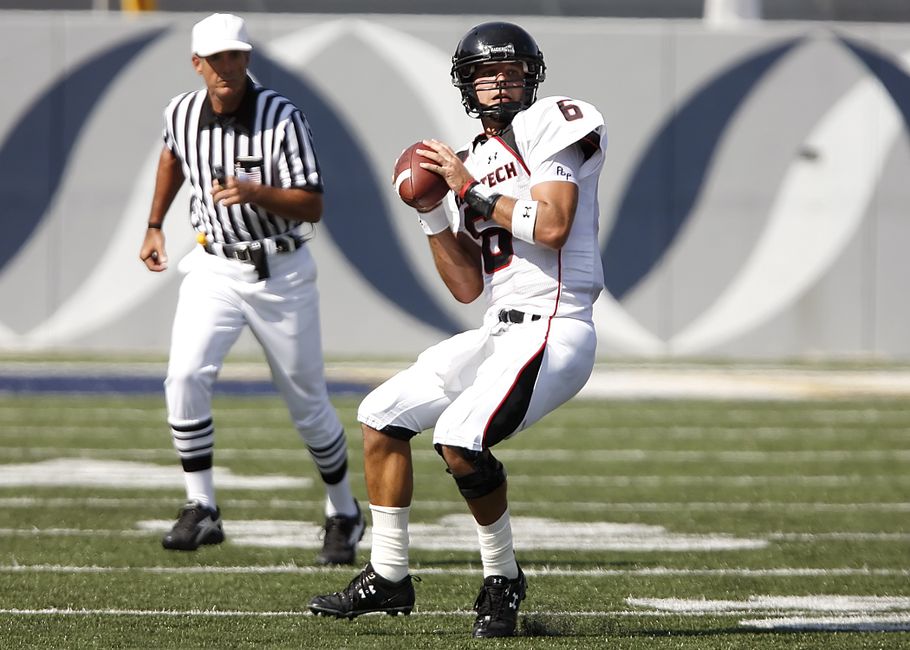
- Final scores don’t tell the full story; the details behind point spreads and totals matter tremendously.
- In-game odds are dynamic reflections of win probability; they provide real-time insights but require sharp interpretation.
- Research—and yes, sometimes watching actual game film—pays off; relying on heart or viral picks won’t cut it in the long run.
- Tools like ESPN’s sports betting section and social media soundbites can help you, but always with a critical eye.
So next time you tune into a Big 12 football or basketball game, live betting can add a whole new layer of excitement. Just remember: keep your head in the game, not in the hype, and use those lines as your compass instead of your anchor.
Quick Tips Before You Jump Into Live Betting
- Always check the line movement within 30 minutes before kickoff to spot early trends.
- Understand how weather or slow pacing affects totals and scoring projections.
- Stay aware of injuries and substitutions mid-game—they’re often the biggest catalysts for odd shifts.
- Use matchup stats, but account for what you see happening live.
- Ignore the noise—don’t bet with your heart or viral social media picks.
Happy betting, and may your live bets ride the momentum right into the money!
