Why Did 2 Scatters Do Nothing on My Slot?
Two scatter symbols can look like they should start a bonus, but they do not always trigger one. A slot might require more scatters, count them only on certain reels, or use scatters for a payout without awarding a feature. The exact answer depends on that game’s rules—not on the symbol’s appearance or what another slot does.
Before judging the spin, check the paytable and help screen. Look for the minimum scatter count, the reels or positions that count, and whether scatters pay, trigger a feature, or do both. If those details are missing from a page describing the game, do not fill the gaps with guesses.
Start with the paytable, not the animation
Slot animations can make a near miss feel significant. A scatter may land just outside the visible reels, glow briefly, or appear alongside dramatic effects. Those visuals are not proof that a bonus was due. The rules in the game’s paytable or help screen determine what counts.
Check the game’s instructions before relying on a review, a screenshot, or another player’s description. Two games can use the same scatter artwork and still have different trigger rules. Even two versions of a game may have different configurations, so confirm the rules shown in the version you are playing.
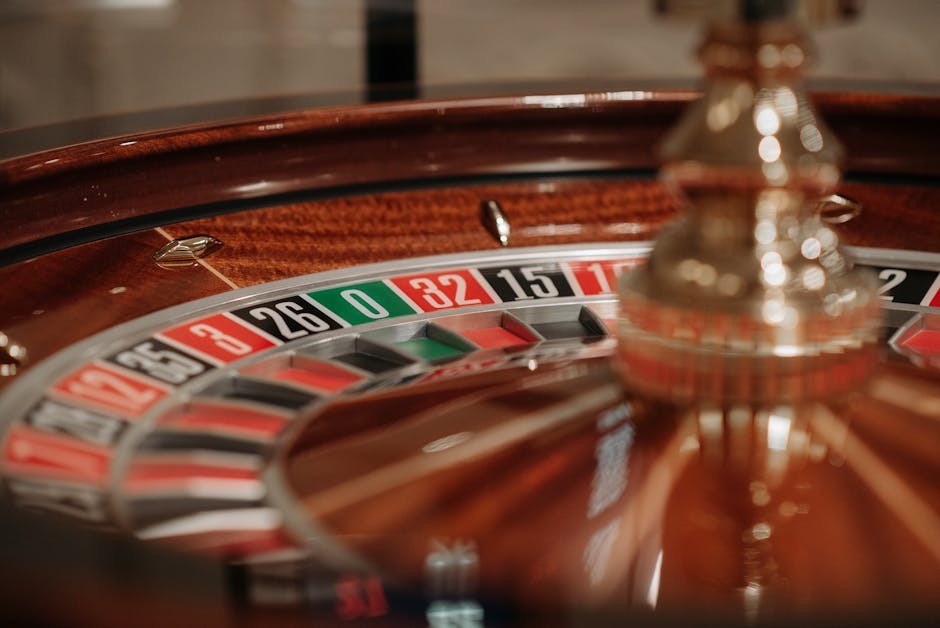
A useful first question is: What does the paytable say happens when two scatters appear? It might list a payout for two, specify that three or more trigger a feature, or say that the symbols must land on particular reels. It may also show no award for two at all.
Scatters can pay and trigger features in different ways
“Scatter” describes a symbol’s role in a game; it does not guarantee that it pays from any position or starts a bonus at a particular count. The help screen may define one or more separate outcomes:
- Scatter payout: A stated number of scatters awards a prize. The paytable should explain how many symbols are needed and how the prize is calculated.
- Feature trigger: A stated number of scatters starts free spins, a bonus round, or another feature.
- Both: The same combination may award a scatter payout and trigger a feature, if the rules say so.
- No listed award: Two scatters may not meet any payout or feature condition in that game.
That is why the phrase paytable scatter payout matters. A payout table and a feature trigger are not automatically the same rule. A game could, for example, pay for two scatters but require three to start free spins. Another game could require three scatters for either outcome. These are examples, not universal slot rules.
Check the minimum scatter count
The most common explanation is simple: the game requires more than two. Look for wording such as “three or more scatters,” “three scatters trigger free spins,” or a symbol-pay table that starts at a higher count. If the minimum is three, two symbols are below the trigger threshold—even if they land on the same spin.
Do not assume the minimum from memory. A familiar bonus format does not establish the rules for a different game. Check the exact title and version, then confirm whether the stated count applies to the feature, a payout, or both.
Reel positions and exclusions can matter
Some games count scatters wherever they land on the visible reels. Others set conditions about which reels or positions qualify. A rule might require one scatter on each of specified reels, or exclude certain areas of the screen. If the paytable gives a position restriction, two scatters in non-qualifying locations may not count toward the feature.
Be precise about what the game says. If the help screen only states a minimum count and does not describe positional restrictions, do not invent them. Likewise, do not assume that a scatter on a reel outside the normal grid counts just because it appears in the animation. The displayed rules are the reference.
When checking the spin, note the number of visible scatters and their reel positions. Then compare those details with the game’s stated feature trigger rules. This is more reliable than trying to infer a trigger from the artwork.
Ordinary symbols follow their own win rules
Scatters are only one part of a slot’s symbol system. Ordinary symbols—often card ranks, themed objects, or character icons—usually form wins according to the game’s specific evaluation method. A spin can show two scatters and still fail to trigger a feature, while ordinary symbols on the same spin may or may not make a separate win.
For ordinary symbols, check which symbols pay, how many are required, and where they must appear. The game may evaluate them using paylines, adjacent reels, or clusters. These methods are not interchangeable:
- Paylines: The game checks defined lines across the reels. A symbol combination usually needs to match along one of those lines, in the direction and positions stated in the rules.
- Adjacent pays: Matching symbols may need to appear on neighbouring reels, often starting from a specified side. The game’s instructions define the required sequence and any gaps that are allowed.
- Cluster pays: A group of connected matching symbols may count, with the game specifying the minimum group size and what counts as connected.
These systems also explain why a screen can look full of matching symbols without producing a win. A group may miss a payline, fail to form the required adjacent sequence, or be too small or disconnected to qualify as a cluster. Read the ordinary-symbol rules separately from the scatter rules.

Theme and visuals do not mean identical rules
A scatter might be a coin in one slot and a portal, map, or character in another. Similar-looking symbols do not imply a shared minimum count or payout. Nor does a game’s theme tell you whether its ordinary symbols use paylines, adjacent pays, or clusters.
This matters when comparing titles, including games available through operators such as MrQ. The operator name does not define how a particular slot evaluates symbols; the game’s own help screen does. Check the rules for the specific title rather than transferring assumptions from another game in the same lobby or from a similarly themed slot.
Wilds may not help with scatters
Wild symbols often substitute for some ordinary symbols to help complete winning combinations. But substitution rules vary, and a Wild may not replace a scatter. A game may exclude scatters, bonus symbols, or other special symbols from Wild substitution.
Check the Wild’s description for clear exclusions. If it says the Wild substitutes for regular symbols only, it should not be treated as a missing scatter. If the help screen does not state that a Wild can substitute for scatters, do not assume it can. A Wild next to two scatters may look like it completes the required count, but only an explicit rule can make that true.
Wilds can also have limits on where they appear or which reels they affect. Those details matter for ordinary wins, but they do not change https://dearblessings.com/slot-game-rules-the-details-behind-wilds-scatters-and-special-features/ the scatter trigger unless the rules specifically connect the two.
What to check after two scatters
Use this short checklist to work out what happened:
- Trigger count: What is the minimum scatter count for the feature?
- Reel positions: Does the game require scatters on particular reels or in specified positions?
- Exclusions: Are any positions or symbol types excluded? Can Wilds substitute for scatters, or are they explicitly barred?
- Separate payouts: Does the paytable list a payout for two scatters, even if two do not trigger the feature?
- Retrigger rules: If a feature is already active, does the game explain whether additional scatters can extend or restart it?
- Reset rules: Does the feature or any displayed meter reset after a trigger, at the end of a round, or under another stated condition?
Retrigger and reset rules are mainly relevant once a feature or meter is active. They do not mean that two scatters on a regular spin should trigger a feature. Treat any meter as a display whose meaning must be explained by the game; do not assume it predicts a bonus or records progress unless the rules say so.
What if the information you found is incomplete?
Sometimes a scraped game description or affiliate listing gives a theme and a feature name but leaves out the actual conditions. It may say “free spins available” without stating the minimum scatter count, qualifying reels, or whether two scatters pay. In that case, the description is incomplete—not evidence that two scatters should have triggered anything.
If the scraped content mentions no prices or payout amounts, do not invent them. State that the source provides no price or payout figures, and direct readers to the in-game paytable for the actual values. This is especially important for the paytable scatter payout: without the game’s listed values, you cannot responsibly quote a cash amount or claim that a particular scatter combination pays.
For a dispute about a specific spin, keep the game title, version if shown, approximate time, and a screenshot or session record where available. Compare the result with the help screen, and contact the casino’s customer support if the displayed outcome still appears inconsistent with the published rules. The Malta Gaming Authority (MGA) is a gambling regulator; naming the Malta Gaming Authority does not establish the rules for an individual game. Check the operator’s licensing information and the relevant official complaint process if an issue remains unresolved.
The short answer
Two scatters may do nothing because they are below the game’s minimum scatter count, land in positions that do not qualify, or have no listed payout at that count. A Wild usually cannot be counted as a scatter unless the rules explicitly allow it. Meanwhile, ordinary-symbol wins are evaluated separately through paylines, adjacent pays, or cluster rules.
Check the paytable for the trigger count, positions, exclusions, scatter payouts, and feature conditions. If the information is missing, do not guess from the theme, animation, or another slot. The game’s own rules are the clearest answer to why those two scatters did not start a feature.